Race-Day Fueling: What to Eat, When to Eat It, and Why It Matters
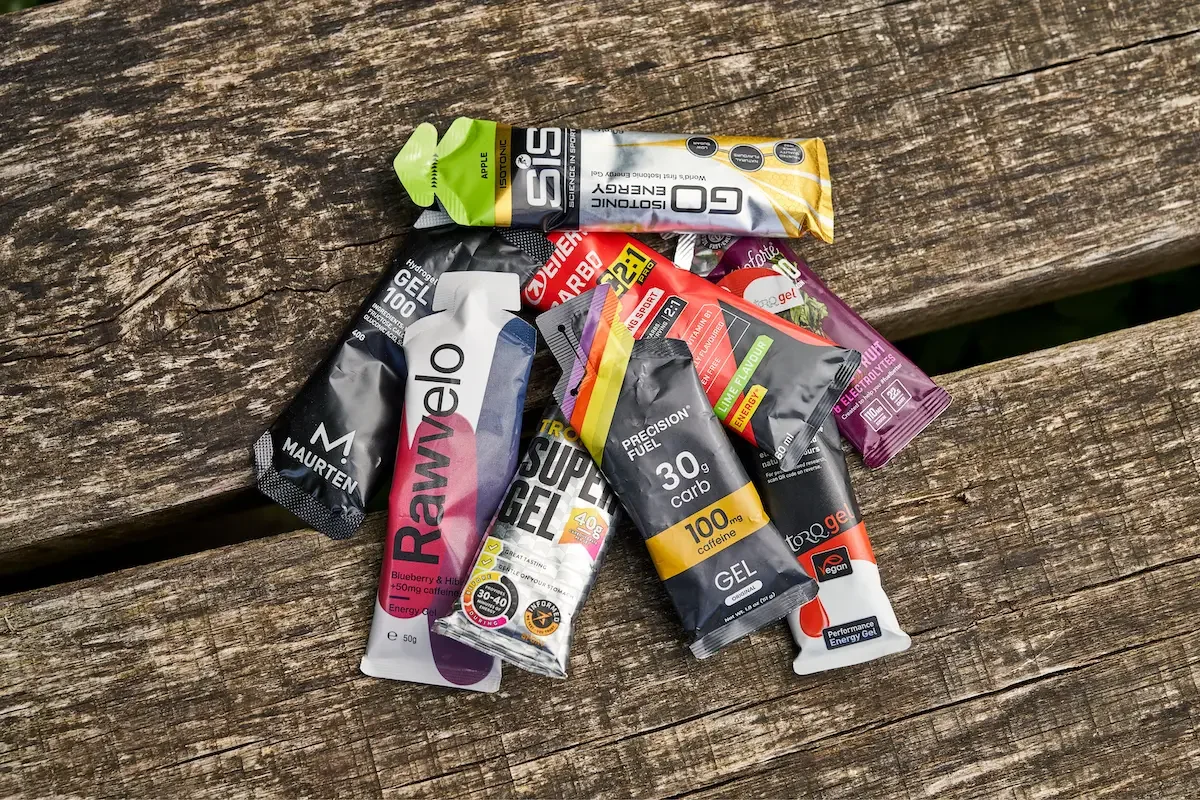
Poor nutrition does not just cost you a few minutes. It ends races. The athletes who blow up on the run, cramp at mile 40 on the bike, or go through T2 feeling hollow almost always trace the problem back to the same place — they did not fuel early enough, consistently enough, or with the right things.
This post lays out the CEC race-day fueling framework in plain terms. The numbers here are starting points, not prescriptions — your plan should be dialed in to your distance, your sweat rate, and what your gut has been trained to handle. But if you get the fundamentals right, you give yourself a real chance to execute the race your fitness deserves.
Why most athletes get it wrong
The most common mistake is simple: athletes start fueling too late. By the time you feel hungry or your energy drops, you are already behind. Glycogen depletion does not announce itself clearly — it shows up as a bad mood, heavy legs, rising heart rate at the same effort, or a run that falls apart for no obvious reason.
The second mistake is inconsistency. Taking in 90 grams of carbohydrate in one hit because you forgot to fuel for an hour does not work — your gut cannot absorb it that way, and the result is GI distress on top of an already compromised energy state.
The CEC rule is straightforward:
Coach Tip
The CEC 20-Minute Rule
Start fueling within the first 20 minutes of your race — not when you feel like you need it. From there, fuel every 15 to 20 minutes throughout. Consistent, small doses are always more effective than playing catch-up late in the race.
Carbohydrates — the primary fuel source
Carbohydrate is the dominant fuel for any race effort above Zone 2. Your onboard glycogen stores are limited — roughly enough for two hours at moderate-to-high intensity — which means exogenous carbohydrate intake during racing is not optional at any distance above a sprint.
How much you need depends primarily on duration:
Shortest race
Sprint
Optional fueling
Evidence ceiling
~90 g/hr
Controlled research
Gut-trained athletes
120 g/hr
Ironman upper range
Sources: Thomas et al. (2016) ACSM Joint Statement; Podlogar & Wallis (2022, 2026); Waseda et al. (2024). The 90–120 g/hr upper range for Ironman applies to gut-trained athletes only and exceeds the current controlled research ceiling — an area of active investigation.
The upper end of those ranges — anything above 60 g/hr — requires your gut to be trained for it. A 2024 review in Research, Society and Development confirmed that 60–90 g/hr improves energy oxidation and reduces fatigue, with gastrointestinal training proving essential for tolerating higher doses (Waseda et al., 2024). A 2026 review in the Journal of Nutrition also noted that while some elite athletes practice intakes of 120 g/hr or more, doses above 90 g/hr have not yet been substantiated by controlled research — so the 80–90 g/hr range remains the evidence-supported ceiling for most athletes (Podlogar & Wallis, 2026). If you have not been practicing high-carb fueling in training, race day is not the time to experiment. Build up progressively in your long sessions
A Note on Carbohydrate Sources
Above 60 g per hour, the limiting factor is glucose absorption. Your gut uses separate transporters for glucose and fructose, which is why purpose-built sports nutrition products formulate at roughly a 2:1 glucose-to-fructose ratio — it allows higher total absorption rates than glucose alone. Avoid products with high-fructose corn syrup as the primary carbohydrate source. Gels, chews, sports drinks, and real food options like bananas and rice cakes all work — the key is that you have practiced with them.
A useful way to think about it: hydration comes from the bottle, calories come from the pocket. This keeps your fluid and carbohydrate intake decoupled so you can adjust each one independently based on conditions and how your body is responding.
Hydration — more than just drinking enough water
Dehydration reduces blood volume, makes blood more viscous, and forces your heart to work harder to deliver oxygen to working muscles and offload heat. A loss of more than 2 to 4% of body weight during a race leads to measurable performance decline — and beyond that it becomes a health issue (Laitano et al., 2023).
General fluid targets by condition:
Hydration Targets by Condition
| Condition | Fluid Target |
|---|---|
| 🌤 Cool or mild | 500 – 750 ml (roughly 1 bottle) per hour |
| ☀️ Hot conditions | 750 – 1,000 ml per hour or more |
| 💧 Heavy sweaters | May exceed 1,000 ml — use sweat rate test to calibrate |
Sweat rate test: Weigh before and after a training session in similar conditions to your race. Every pound (0.45 kg) lost = approximately 475 ml of fluid deficit, accounting for any fluid consumed during the session.
If you want to know your actual sweat rate, the test is simple: weigh yourself before and immediately after a training session in similar conditions to your race, accounting for fluid consumed. Every pound lost represents approximately 16 oz (475 ml) of fluid deficit.
Sodium — the driver behind hydration
Sodium is not just a performance variable — it is the mechanism that makes hydration work. Sodium drives fluid across cellular membranes, helps maintain blood plasma volume, and triggers your thirst response at the right time. Replacing fluid without replacing sodium leads to dilution of blood sodium, which impairs performance and in extreme cases causes hyponatremia.
At CEC, the starting point is 1,000 mg of sodium per hour. That figure sits deliberately above the generic 300–600 mg guidelines, reflecting the highly individual nature of sweat sodium losses — data from the Precision Fuel & Hydration athlete database shows race-day sodium needs ranging from as little as 112 mg/L to over 2,900 mg/L across long-course athletes (reported in 220 Triathlon, 2025). From there, adjust up or down based on your individual profile. Athletes who regularly see white salt residue on their kit, crave salty foods after training, or tend to cramp in heat are likely on the higher end and should adjust up. If salty foods start tasting off during a race, you may be taking in too much.
Adjusting on the fly — signs to watch for
Need More Fluid
- Feeling thirsty or dry mouth
- Heart rate rising vs. effort
Need Less Fluid
- Stomach feeling bloated
- Water sloshing in stomach
- Peeing too frequently
- Water tasting off
Need More Sodium
- Tight, twitchy or crampy muscles
- Craving salt or salty drinks
Need Less Sodium
- Salty foods tasting off
- Cotton mouth feeling
- Feeling nauseous
- Craving plain water
One important sequencing note: sodium requires a small amount of sugar to be transported across the gut wall via sodium-glucose transporters. Take your carbohydrate (gel or chews) first, then follow with your electrolyte product. This sequence optimizes absorption of both.
Caffeine — a legitimate tool when used correctly
Caffeine slows glycogen utilization, stimulates fat oxidation, and lowers perceived effort. It is one of the most well-researched legal ergogenic aids in endurance sport, and there is no good reason not to use it in races lasting more than an hour.
The effective dose is approximately 1 to 3 mg per kilogram of body weight. Take a single dose roughly 45 to 60 minutes before the start, then repeat every 2 to 3 hours during the race if it is a longer event. For 70.3 racing, many athletes take their second dose around the two-hour mark on the bike. For a full Ironman, caffeine on the run — including flat Coke at aid stations — is a well-established strategy.
If you have not used caffeine in training, do not introduce it on race day. And note: at normal endurance sport doses, caffeine is not a significant diuretic.
Carb loading — who needs it and how to do it
Carb loading is relevant for races lasting longer than roughly 90 minutes — primarily 70.3 and full Ironman distance. The goal is simple: arrive at the start line with fully saturated glycogen stores so you are not starting from a deficit.
For sprint and Olympic distance racing, the priority is just eating well in the 24 to 48 hours before the race and not doing anything to compromise your gut. A heavy carb-loading protocol is unnecessary and can leave you feeling sluggish.
For 70.3 and full distance, the protocol looks like this:
Carb Loading Protocol
| Timing | Approach |
|---|---|
| 48 hours out | Increase carbohydrate intake, reduce fiber, fat, and high-protein foods |
| 24 hours out | Focus on easily digestible carbs throughout the day — rice, pasta, bread, bananas, sports drinks |
| Race morning | 1 to 4 g of carbohydrate per kg body weight, 2 to 4 hours before start — low fiber, familiar foods only |
| Final 30 min | Small gel or sports drink to top up blood glucose if needed |
For 70.3 and Ironman: Target 8–10 g of carbohydrate per kg body weight in the 24 hours before your race, distributed across meals. Nothing new on race morning — eat what you have practiced.
Carb loading does not mean overeating — it means shifting the composition of what you eat toward carbohydrates and away from foods that slow digestion. Whole foods work well: rice, oats, bread, fruit, maple syrup. Keep fat and fiber low in the 24 hours before the race to reduce GI risk on race morning. I like to think of it as eating for purpose not pleasure, so yes it may not be the best foods for you in the big picture, all those excess calories get burned off pretty quick on race day.
Race Morning Reminder
Nothing new on race day. Eat what you have practiced eating before long training sessions. If your race starts very early and you cannot eat 3 to 4 hours out, a smaller, easily digestible meal 1 to 2 hours before works — lean on liquid carbohydrates if solid food feels like too much that early.
Quick reference by race distance
Sprint
• Start the race well-fueled and hydrated — limited fueling opportunities on course
• Carry one gel if the race is at the longer end of the sprint range
• Hydrate as needed — one bottle typically sufficient
Olympic
• Sports drink on the bike covers most carbohydrate needs
• 45 to 60 g carbohydrate per hour on the bike
• Caffeine at around 60 to 90 minutes if trained for it
• Aid station water on the run
70.3
• 60 to 90 g carbohydrate per hour on the bike — combination of liquids and semi-solids
• 1,000 mg sodium per hour as a starting point — adjust by sweat profile
• Hydrate every 15 to 20 minutes — low sugar electrolyte mix plus water
• Caffeine at around 2 hours into the bike
• On the run, get settled before loading up — aid station every mile is manageable once you find your rhythm
Full Ironman
• 80 to 120 g carbohydrate per hour — gut training essential
• Transition from solids to semi-solids to liquids as the race progresses
• Front-load fluid and sodium on the bike to set up the run
• Flat Coke on the run is a proven strategy — fast carbohydrate, caffeine, and palatability when other foods stop sounding appealing
• If you experience GI distress, stop calorie intake temporarily and shift to water only until it settles
What poor fueling looks like mid-race
Knowing the signs matters so you can intervene early rather than managing a full breakdown:
Mid-race troubleshooting
Sour stomach or GI distress
Stop taking in calories temporarily. Shift to plain water and flat Coke until it resolves.
Mood drop, loss of focus, dizziness
Almost always a calorie issue. Take in carbohydrates immediately.
Heavy legs or sudden fatigue
Check hydration first. If you have been drinking consistently, the issue is likely calories.
Heart rate rising at the same effort
Fluid deficit. Increase intake and back off pace briefly to let it stabilize.
Male vs. female fueling — the differences are real
Most endurance nutrition research has historically been conducted on male athletes, which means the standard guidelines you see in most fueling articles were largely built from male physiology. That is changing, but it means female athletes in particular need to understand how their hormones interact with fueling demands — and why a one-size plan often underserves them.
Carbohydrate utilization across the menstrual cycle
Estrogen and progesterone directly influence substrate use during exercise, and both phases of the menstrual cycle require adequate carbohydrate intake. Research shows that when female athletes consume sufficient carbohydrate (8–12 g/kg/day), glycogen stores are similar across both phases — the cycle phase does not automatically determine how well-fueled you are (McLay et al., 2007; GSSI, 2024). What changes is efficiency: in the follicular phase (roughly days 1 to 14, from menstruation to ovulation), estrogen levels are lower, carbohydrate oxidation is relatively higher, and the body accesses glycogen more readily. Carbohydrate targets during this phase align closely with the standard ranges outlined earlier in this post.
In the luteal phase (roughly days 15 to 28, post-ovulation), progesterone rises and the picture shifts. The body becomes more reliant on fat as a fuel source and spares glycogen to a greater degree, which sounds advantageous but comes with a catch: core temperature is elevated by approximately 0.3 to 0.5 degrees Celsius, resting heart rate is higher, and perceived effort at a given pace or power tends to increase. Female athletes often report feeling flatter or more fatigued during this phase, which is a genuine physiological response — not a mental barrier.
Practical Note — Female Athletes
The luteal phase is not inherently worse for fueling — it is the phase where athletes are most likely to under-fuel, because reduced carbohydrate oxidation efficiency can mask the body's ongoing need for carbohydrate. Both phases require adequate carbohydrate intake; research shows glycogen stores are similar across phases when intake is sufficient. For race-day and high-intensity long sessions, maintain your full carbohydrate targets regardless of where you are in your cycle.
Protein requirements
Female athletes require slightly more protein relative to body weight than male athletes for comparable training loads — particularly during and after hard efforts — due to differences in muscle protein synthesis signaling. A target of 1.6 to 2.2 g of protein per kg of body weight per day is appropriate for most female endurance athletes in hard training, with the upper end warranted during high-volume blocks or when managing an energy deficit. Post-session protein timing matters more for female athletes: the anabolic window is narrower, and hitting 20 to 25 g of high-quality protein within 30 to 45 minutes of finishing a hard session consistently outperforms delayed intake.
Iron and RED-S awareness
Female athletes carry a higher risk of iron deficiency due to menstrual losses, and iron directly affects endurance performance through its role in oxygen transport. If an athlete is training consistently but feeling disproportionately fatigued, struggling with recovery, or seeing declining performance without an obvious training load explanation, iron status should be checked. Relative Energy Deficiency in Sport (RED-S) — chronic under-fueling relative to training demand — is more prevalent in female athletes and has downstream effects on hormonal health, bone density, immune function, and long-term performance (Moore, Sygo & Morton, 2022). Fueling adequately is not optional; it is a performance and health requirement.
Male athletes — what changes with age
For male masters athletes, testosterone decline with age reduces muscle protein synthesis rates and slows recovery between hard sessions. The practical response is straightforward: protein targets move toward the upper end of the range (1.8 to 2.4 g/kg/day), and post-session recovery nutrition becomes more critical rather than less. Carbohydrate utilization does not change dramatically with age alone, but overall caloric needs during hard training blocks are often underestimated by masters athletes who are managing body composition alongside performance goals. Under-fueling a masters athlete compounds recovery debt faster than it does in a younger athlete.
Racing in heat — how it changes everything
Heat is not just a hydration problem. It affects fueling, pacing, gastric function, and how your body allocates resources — and it does all of this simultaneously. Understanding the cascade helps you build a race-day plan that accounts for conditions rather than just copying your training targets onto a hot race.
Blood flow competition
In heat, your body faces a direct conflict: working muscles need blood for oxygen and fuel delivery, and your skin needs blood for heat dissipation through sweating and radiation. Your cardiovascular system cannot fully serve both demands at once. The result is a phenomenon called cardiovascular drift — heart rate rises progressively at the same effort as blood plasma volume decreases and the body routes more circulation to the skin. Power or pace that felt controlled early in the race becomes increasingly expensive. This is not a fueling failure — it is physiology. The correct response is to pace by effort in heat, not by your target numbers from a temperate-conditions race.
Gastric emptying slows in heat
This is the piece most athletes do not account for. Gastric emptying — the rate at which your stomach passes its contents into the small intestine for absorption — slows significantly in severe heat conditions. Research published in the European Journal of Applied Physiology found that gastric emptying rate was inversely correlated with rectal temperature, and that the combination of warm conditions and even mild dehydration further reduced emptying rate and stomach secretions (Neufer et al., 1989). A 2023 study confirmed that heat acclimation partially — but not fully — mitigates this GI impairment during exercise in hot conditions (Sumi et al., 2023). The mechanisms include reduced blood flow to the gut routed to skin for cooling, elevated core temperature, and the dehydration that accumulates even with good fluid intake. A carbohydrate dose that your gut handles easily at cool temperatures may sit in your stomach and cause bloating, nausea, or GI distress when heat and dehydration compound.
Racing in Heat
Heat fueling adjustment
Gastric emptying impairment becomes most significant above roughly 86–90°F (30–32°C), particularly when any dehydration has accumulated. In those conditions, reduce your per-hour carbohydrate target by 10 to 20% and lean toward liquid carbohydrates over gels or solids — liquids empty from the stomach faster and require less digestive work. Keep sodium intake consistent or slightly elevated, as sweat rate and sodium losses both increase with temperature.
Hydration demand increases non-linearly
Sweat rate does not just increase linearly with temperature — it can double or more in severe heat. An athlete losing 750 ml per hour in mild conditions may lose 1,500 ml or more per hour at 90 degrees with humidity. The challenge is that the gut has a ceiling on fluid absorption of roughly 800 to 1,000 ml per hour under normal conditions, and that ceiling drops in heat as gut blood flow decreases. This means full fluid replacement in severe heat is often physiologically impossible during racing. The goal is not zero dehydration — it is managing the deficit so it stays below the threshold (roughly 2 to 3% of body weight) where performance meaningfully deteriorates.
Sodium becomes more critical
As sweat rate rises, sodium losses rise proportionally. An athlete who manages well at 700 mg of sodium per hour in mild conditions may need 1,200 to 1,500 mg per hour in a hot race. The CEC starting point of 1,000 mg per hour is built with this in mind — it sits above the generic 300 to 600 mg guidelines specifically because most triathlon racing happens in conditions where that lower range leaves athletes short. In a hot race, err toward the upper end of your personal sodium range and monitor the signals outlined in the hydration section above.
Pre-cooling and pre-loading strategies
Two strategies have meaningful evidence behind them for hot-weather racing. Pre-cooling — using ice vests, cold towels, or cold fluid in the 15 to 30 minutes before the start — reduces core temperature at the gun and delays the point at which thermal stress starts compressing performance. Pre-loading with a strong electrolyte drink (roughly 500 ml with 750 mg sodium) 60 to 90 minutes before the start temporarily expands blood plasma volume, which buffers against early cardiovascular drift. Neither replaces a solid pacing and fueling plan — they buy you a margin to work with.
Racing in Heat — Adjusted Targets by Condition
| Condition | Carb Adjustment | Fluid Target | Sodium Target |
|---|---|---|---|
| 🌤 Under 80°F / 27°C | Standard targets | 500 – 750 ml/hr | ~1,000 mg/hr |
| ☀️ 80 – 90°F / 27 – 32°C | Standard to -10%, monitor gut | 750 – 1,000 ml/hr | 1,000 – 1,200 mg/hr |
| 🔥 Above 90°F / 32°C | Reduce 10 – 20%, favor liquids | 800 – 1,000 ml/hr (gut ceiling) | 1,200 – 1,500 mg/hr |
Important: Gastric emptying impairment is most significant when heat and dehydration compound — typically above 90°F / 32°C and in the later stages of a race. Shift to liquid carbohydrate sources and increase sodium before you feel like you need to.
One final note on heat and female athletes specifically: the luteal phase elevates core temperature by 0.3 to 0.5 degrees before exercise even begins. A female athlete racing in the luteal phase in hot conditions is starting with a higher thermal load than any of the above guidelines assume. Factor that in when building race-day targets and be more conservative with early pacing than you might otherwise be.
The bottom line
Fueling is a skill. It requires practice in training, not improvisation on race day. Athletes who execute their nutrition plan well almost always have a stronger second half — and athletes who wing it almost always do not.
Build your plan before race week. Know your targets. Practice them in your long sessions. And if race-day conditions change — heat, humidity, a slower pace — adjust in real time using the signals your body is giving you.
Work with a Coach
Have questions about your race-day fueling plan?
The numbers in this post are a starting point. Your plan should be built around your sweat rate, your race distance, the conditions on course, and what your gut has actually been trained to handle. If you want a fueling strategy dialed in to you — not just a chart — let's talk.
References
Laitano O et al. Compositional aspects of beverages designed to promote hydration before, during, and after exercise: concepts revisited. Nutrients. 2023;16(1):17.
McLay RT et al. Carbohydrate loading and female endurance athletes: effect of menstrual-cycle phase. Int J Sport Nutr Exerc Metab. 2007;17(2):189–205.
Moore DR, Sygo J, Morton JP. Fuelling the female athlete: carbohydrate and protein recommendations. Eur J Sport Sci. 2022;22(5):684–696.
Neufer PD, Young AJ, Sawka MN. Gastric emptying during exercise: effects of heat stress and hypohydration. Eur J Appl Physiol. 1989;58(4):433–439.
Podlogar T, Wallis GA. From metabolism to medals: contemporary perspectives and revisiting carbohydrate guidelines for fueling endurance athletes during exercise. J Nutr. 2026.
Precision Fuel & Hydration athlete sodium database. Reported in: 220 Triathlon. How much carbohydrate, fluid and sodium do I need per hour for an Ironman? February 2025.
Sumi D et al. The impact of heat acclimation on gastrointestinal function following endurance exercise in a hot environment. Nutrients. 2023;15(1):216.
Waseda LMB et al. The importance of carbohydrate intake for high-performance athletes in endurance exercises. Research, Society and Development. 2025;14(4).