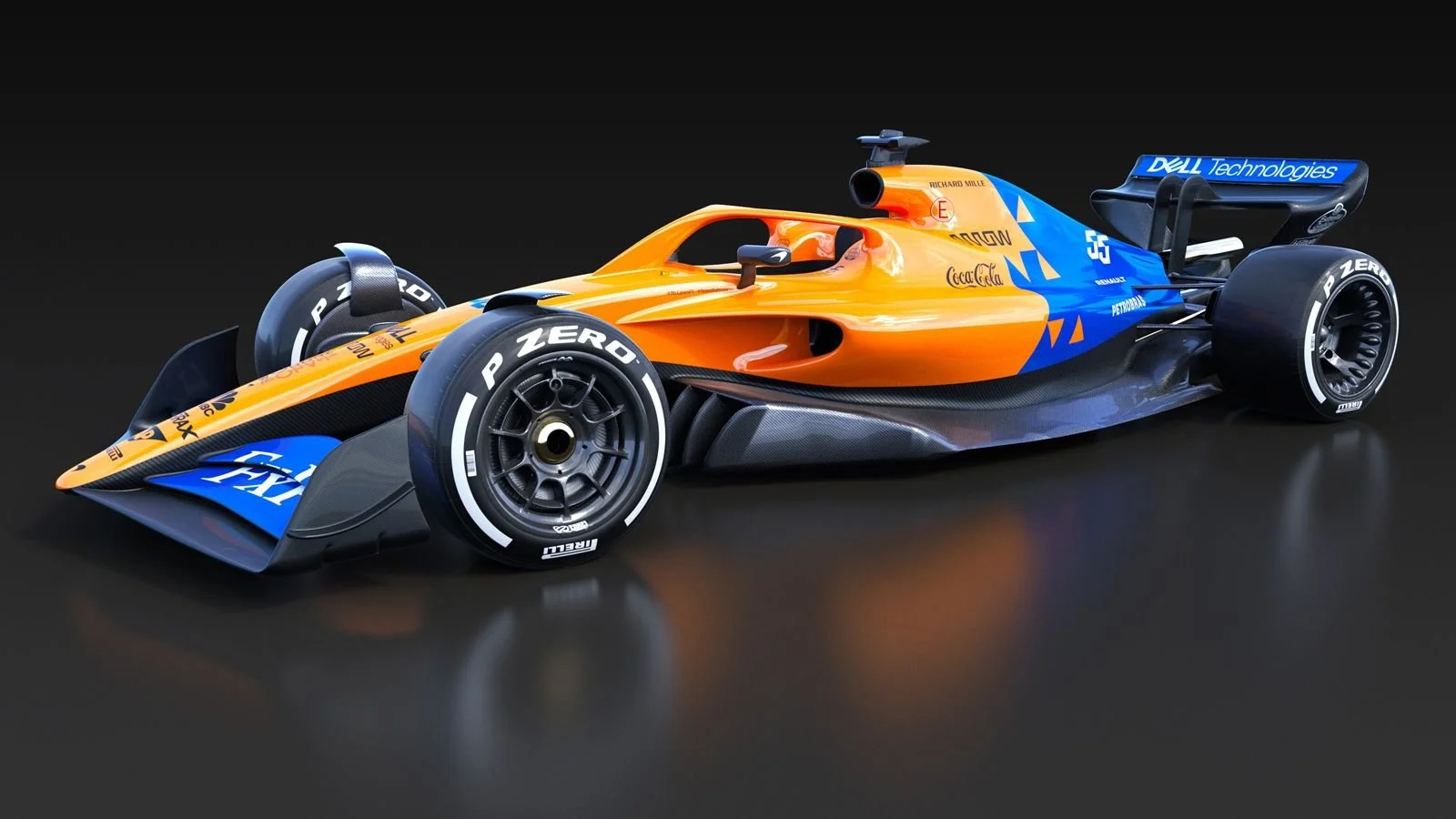
The race season has begun for us here in the Northern Hemisphere, so I thought it appropriate to go back to the basics to help athletes, both self-coached and coached get ready for what is ahead.
Most athletes train hard.
Few train right.
That’s not a knock on effort. In fact, most endurance athletes I work with are incredibly consistent, motivated, and willing to put in the work. But despite that effort, something often isn’t clicking.
You may feel fit… but not fast.
You’re training consistently… but plateaued.
You’re putting in the work… but it’s not showing up on race day.
That’s not a motivation problem.
It’s a system problem.
Build the Athlete Like a Race Car
High performance isn’t random—it’s engineered.
Think about a Formula 1 race car. Every piece matters. The chassis, the engine, the fuel system, the driver. If even one of those is off, the entire system breaks down.
Endurance performance works the same way.
You don’t become a complete athlete by focusing on just one area. You build it by developing a system—one where each component supports the others.
At Catalyst Endurance Coaching, we focus on the six essential tools to build that system that gets you ready for race day.
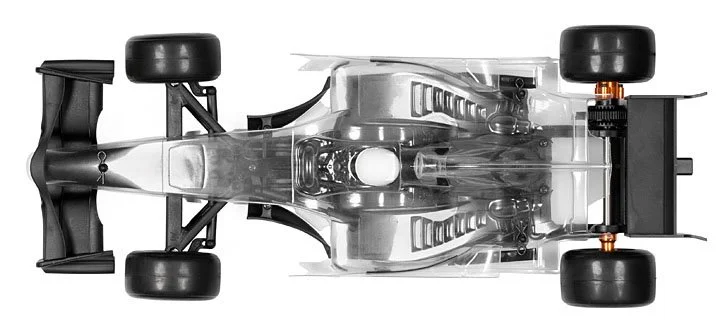
1. Chassis — Build the Foundation(Structure)
Before fitness, before power—we need structure.
Your chassis is your ability to handle training load. It’s your movement quality, durability, and resilience. Without it, everything else eventually breaks down.
Too often, athletes chase fitness while ignoring how their body moves. The result? Injuries, inconsistency, and stalled progress.
Fitness does not equal durability.
Build the foundation first.
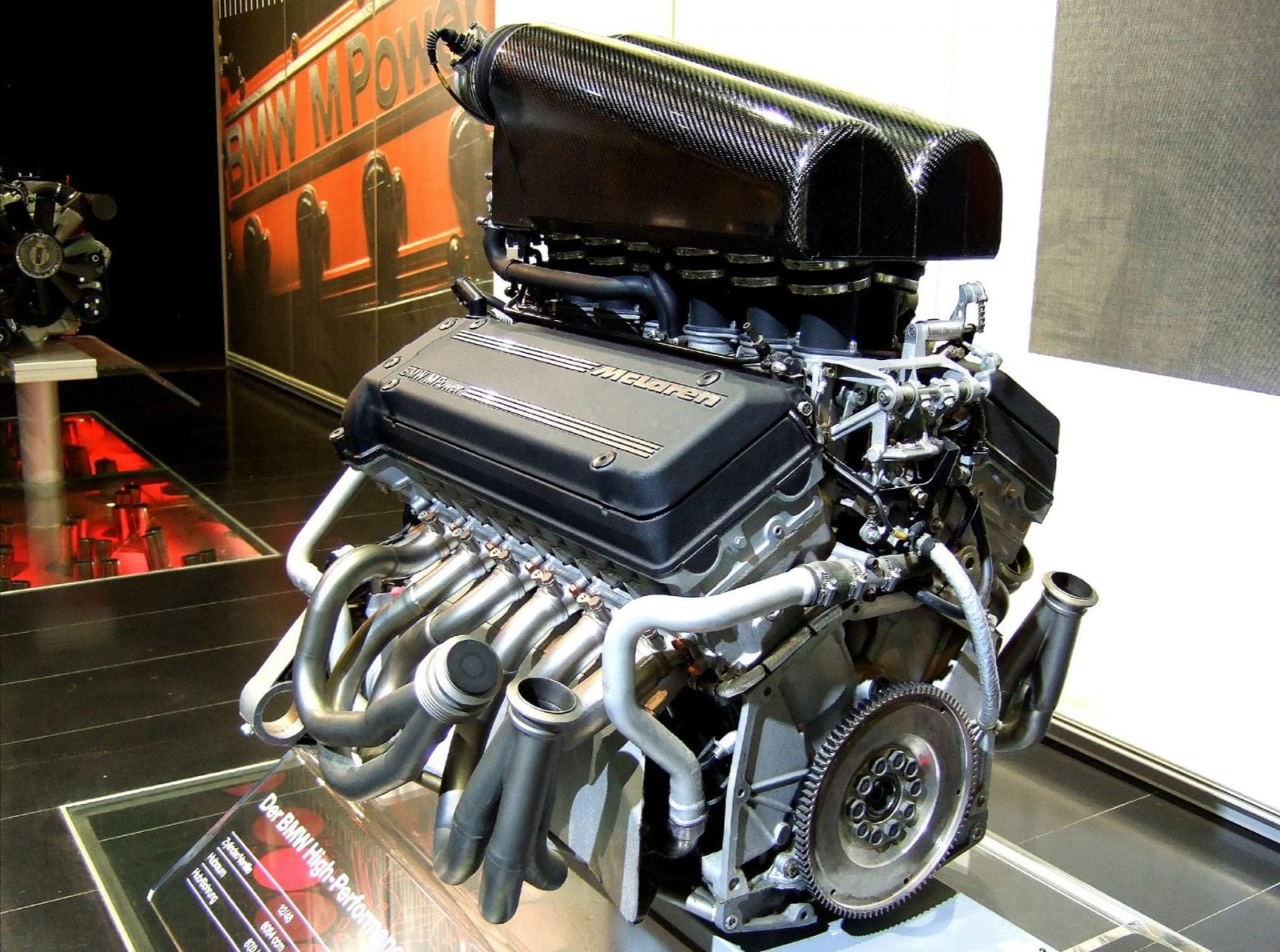
2. Engine — Build the Capacity(Training)
This is what most athletes focus on—and for good reason.
Your engine is your aerobic system. It’s your ability to produce and sustain power over time. It’s built through consistent, often unglamorous work.
Long rides. Steady runs. Controlled swims.
There are no shortcuts here.
From that foundation, we layer in threshold work, then higher-end efforts. But the order matters. Skip steps, and the system suffers.
3. Skills & Handling — Apply the Fitness(Strength/Mobility)
You can be strong—but not efficient.
Skills are your ability to apply your fitness across swim, bike, and run. This is technique, control, and efficiency under fatigue.
Power without control is wasted.
Better movement means less wasted energy, better pacing, and ultimately faster performances without needing more fitness.
4. Fueling — Power the Work(Nutrition)
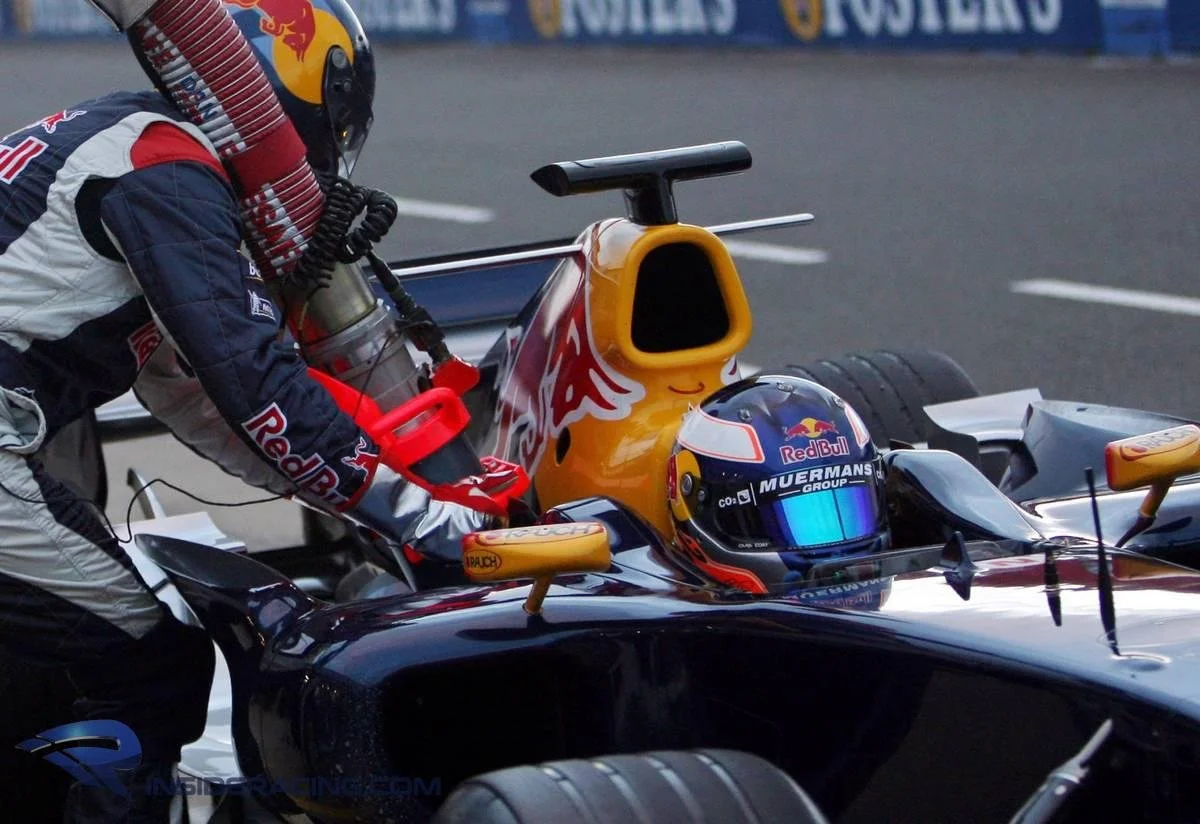
Your body is your engine—and it needs fuel.
Fueling isn’t just race day nutrition. It’s what you do before, during, and after training, and how you support your body throughout the day.
There are really two systems here:
Daily nutrition
Training nutrition
Most athletes underfuel their training, which limits performance, slows recovery, and increases fatigue.
Fuel the work—and your body will respond.
5. Focus — Execute with Intent(Mental)
Every session has a purpose.
Focus is your ability to stay present and execute that purpose. It’s understanding where you are in your training, what the goal of the session is, and actually doing the work as intended.
You don’t rise to the occasion.
You fall to your habits.
Train with intent, and race day becomes an extension of that process.
6. Adapt and Improve(Recovery)
You don’t get fitter from training.
You get fitter from recovering from training.
Recovery is where adaptation happens. Sleep, hydration, nutrition, and modalities all play a role—but so does listening to your body.
Metrics like resting heart rate and HRV can give insight into readiness, but the key is simple:
If you don’t recover, you don’t progress.
And don’t underestimate the rest day—it’s often the most productive day of the week.
Race Day
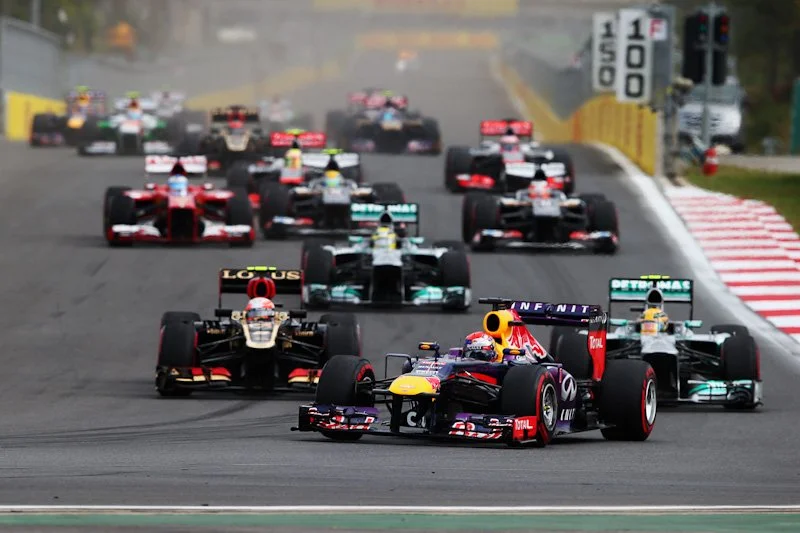
At some point, it’s time to go.
You’ve built the chassis.
You’ve developed the engine.
You’ve refined your skills.
You’ve fueled properly.
You’ve stayed focused.
You’ve recovered well.
Now it’s time to execute.
Don’t worry about what you can’t control—competition, weather, conditions.
Focus on the process. Trust your preparation. Stay within yourself.
And when the moment comes—
Give’r.
Bringing It All Together
Most athletes are missing at least one piece of this system.
And often, they don’t even realize it.
That’s what holds performance back—not effort, but imbalance.
When all seven tools are aligned, something powerful happens:
Consistency improves.
Fatigue becomes manageable.
Performance starts to show up.
What’s Holding You Back?
If you’re not sure where your limiter is, you’re not alone.
That’s exactly what we uncover in a Performance Audit.
We identify the gaps, build the system, and create a clear path forward—so your training actually leads to the results you’re capable of.
Train with purpose.
Perform with confidence.
Schedule your Performance Audit today and see what you are truly capable of doing.