Why the Off-Season Might Be the Most Important Time to Hire a Coach
Before we dig into the meat and potatoes of today’s post all I can say is , WOW and I mean WOW. You could have not written a better script than the race we got to witness on in Kona and then in Marbella. Two of the sports best going punch for punch until the Big Island said not so fast. Then out of no where a twenty six year old Norwegian ride and then runs herself to the front of the pack, showed grace and sportsmanship as she passed Taylor with only two miles to go and onto win her first World Championship title and to be the youngest to do so. And add to that a new Ironman Championship run record and nearly running herself to the title, missing by on thirty six seconds in Kat Matthews. And then a repeat in Marbella but time Lucy coming out on top followed by the closest finish ever in a 70.3 Championship race. One could not have asked for a better ending of the season and that brings us to today’s post regarding the Off-Season.
The race season is winding down. Transition areas are empty, race kits are tucked away, and for many athletes, the focus shifts from “What’s my next event?” to “What’s in the fridge?”
And that’s a good thing. Recovery matters. Taking time to relax, recharge, and reconnect with life outside of training is essential for long-term progress and mental health. But here’s the twist: while everyone else is winding down, the athletes who use the off-season wisely are quietly building their advantage for next year.
And that’s exactly why the off-season is the perfect time to hire a coach.
Off-Season Isn’t Off—It’s Different
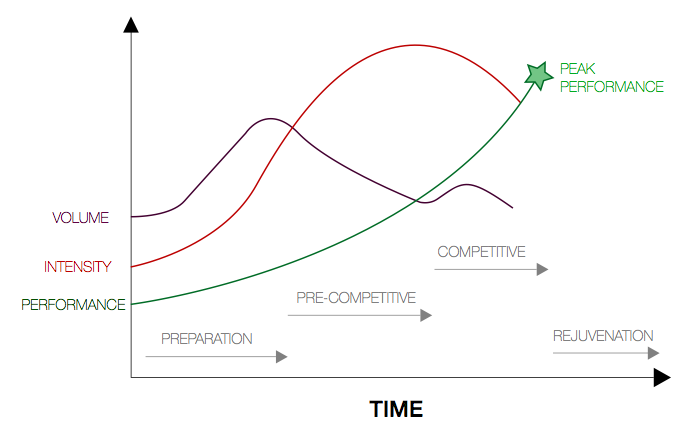
Most people think of the off-season as a break, and while that’s true, it doesn’t mean “do nothing.” A well-structured off-season is about shifting gears:
From “go-go-go” to thoughtful reflection and recalibration.
From race specific intensity to smart base work and VO2max building.
From racing peak form to repairing weak links and imbalances.
This is where a coach steps in—not to pile on miles, but to help you train smarter with a clear roadmap.
Four Reasons the Off-Season is Prime Coaching Time
1. Reflection Without the Rush
During race season, it’s hard to step back and analyze because everything revolves around the next event. The off-season gives you breathing room to review:
What went well this year?
Where did you struggle?
Did nutrition, pacing, or mental focus hold you back?
A coach helps you turn those answers into actionable steps instead of repeating the same cycle year after year.
2. Fixing Weaknesses and Building Strength
When you’re chasing race fitness, there’s little time to overhaul your swim technique or address nagging mobility issues. In the off-season, the pressure is off. This is when you can:
Work on stroke efficiency in the pool without staring down a looming tri.
Improve running mechanics to make every stride more efficient.
Get a bike fit to improve your aero position and gain free speed.
Strength train consistently to build durability and power.
Address body composition.
This is unglamorous work—but it’s what separates “same as last year” athletes from those who level up.
3. Data-Driven Training Zones
The off-season is the perfect time for metabolic testing, FTP assessments, or lactate profiling. Why? Because you can gather baseline data without worrying about race fatigue clouding the results. With accurate zones and a coach to interpret the numbers, every workout becomes more purposeful.
4. Motivation & Accountability
Let’s be honest: training in the dark, cold, or wet months isn’t always inspiring. A coach provides structure, creativity, and encouragement when motivation dips. That consistency is what prevents athletes from sliding into the “I’ll get serious again in spring” trap.
The Secret Most Athletes Don’t Know
The biggest gains don’t come from race day heroics—they come from the months no one is watching. While others drift through winter with haphazard training, coached athletes are laying brick by brick the foundation of their next PR, their first Ironman finish, or their age-group podium.
The Takeaway
Hiring a coach in the off-season isn’t about working harder. It’s about working smarter. It’s about giving yourself the tools, accountability, and strategy to turn “someday goals” into next season’s reality. Think of it this way, a well structured plan of training, maybe only a little as 6-7 hours per weeks gives you a 100 hour head start on your competition.
So before you hang up your goggles and put your bike on the trainer to collect dust, ask yourself: What if the most important investment you make in your triathlon journey happens when the season is over?
Because for many athletes, that’s exactly the case.
If interested in or thinking about one-on-one coaching, please click the link below to set up your complimentary coach’s call to see if it is right for you. Also, keep an eye out for a more in depth breakdown of what the goals of the off season should be for all endurance athletes in the coming weeks.