Why Your First Outdoor Ride Feels Harder Than Expected
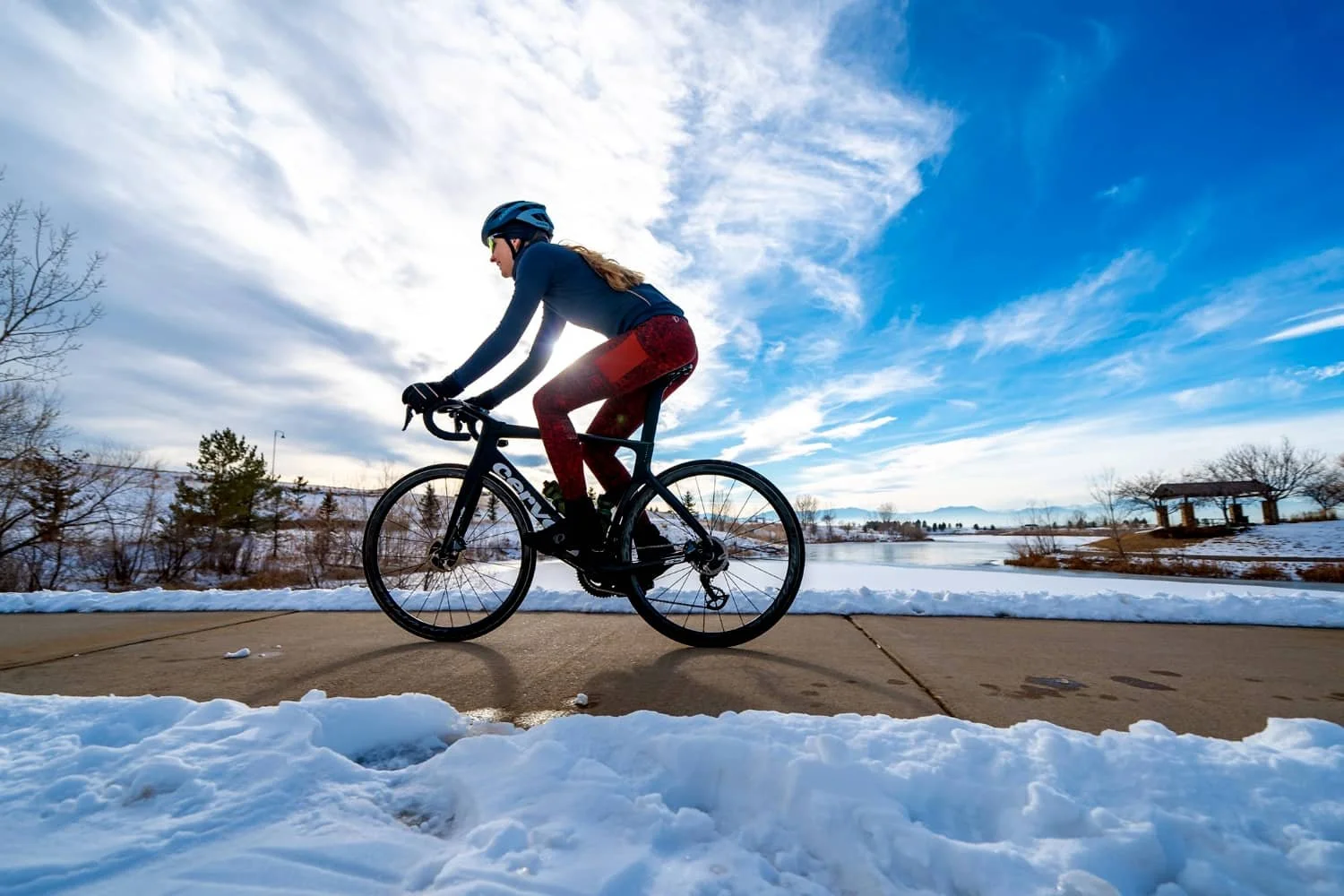
There’s a moment every spring.
You head outside for that first real ride—sun’s out, roads are clear, motivation is high…
and within 20 minutes you’re thinking:
“Why does this feel so hard?”
Good news: it’s not your fitness.
It’s Not Lost Fitness — It’s a Different Game
Indoors, everything is controlled: constant resistance, no wind, no terrain changes, no interruptions. You sit on a number and hold it.

Outdoors is different: micro hills, wind shifts, corners, and terrain changes. Even if your average power is the same, the metabolic cost is not.

You’ve gone from a steady demand to a variable one.
The Hidden Cost: Micro-Surges
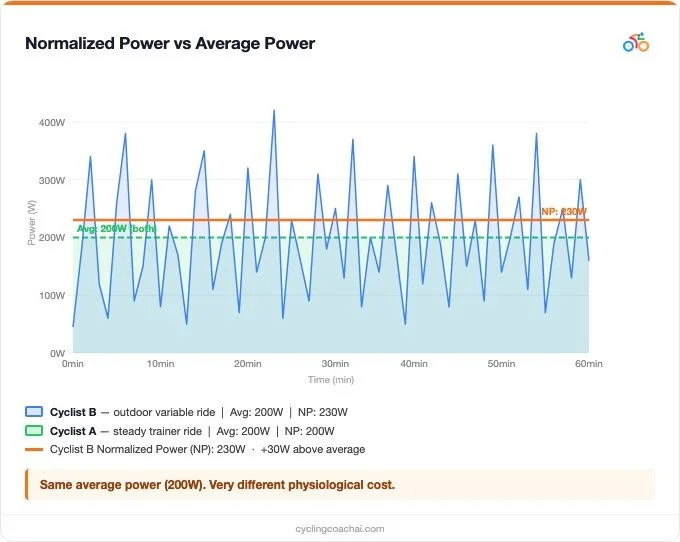
Outdoors isn’t steady state—it’s a series of tiny surges.
Every:
Small rise
Acceleration out of a corner
Slight headwind
…creates a mini surge in power output.
These feel small—but metabolically they matter.
Those little spikes:
Recruit more fast-twitch muscle
Increase glycogen usage
Raise lactate production
Translation: You’re doing more work than you think
Wind Doesn’t Play Fair
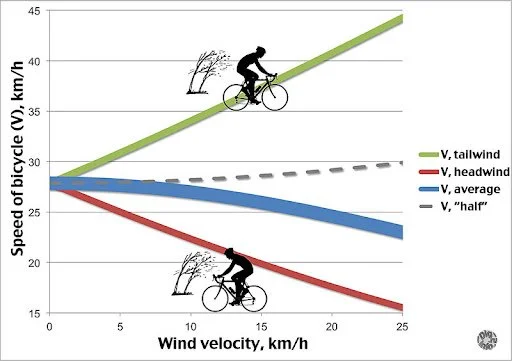
Headwinds can increase energy cost by 20–50%.
And that nice tailwind home?
It feels fast—but doesn’t repay what you spent getting there.
Net result: higher total energy cost for the same ride.
Temperature Is Quietly Working Against You
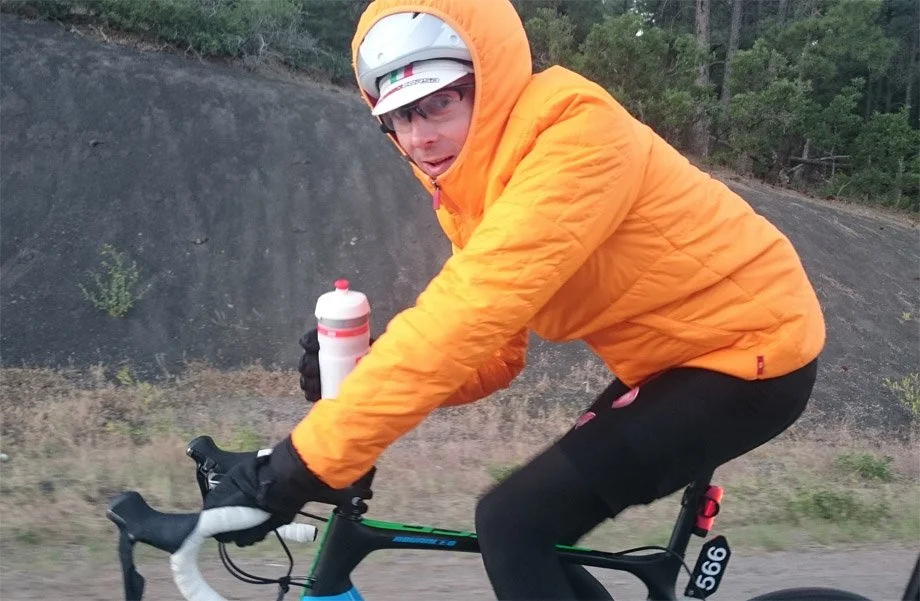
Spring riding lives in the danger zone:
Cool air
Variable temps
Too many layers
Three key problems show up:
1. Cold suppresses thirst
You don’t drink → dehydration creeps in
2. Heat spikes carb usage
Even mild warmth increases carbohydrate oxidation
3. Layers trap sweat
You’re losing more fluid than you realize.
Spring conditions often combine all three, leading to under-hydration and under-fueling.
And your fueling plan?
Still stuck in January, so make sure to update it for March outdoor riding .
RPE Lies Outdoors
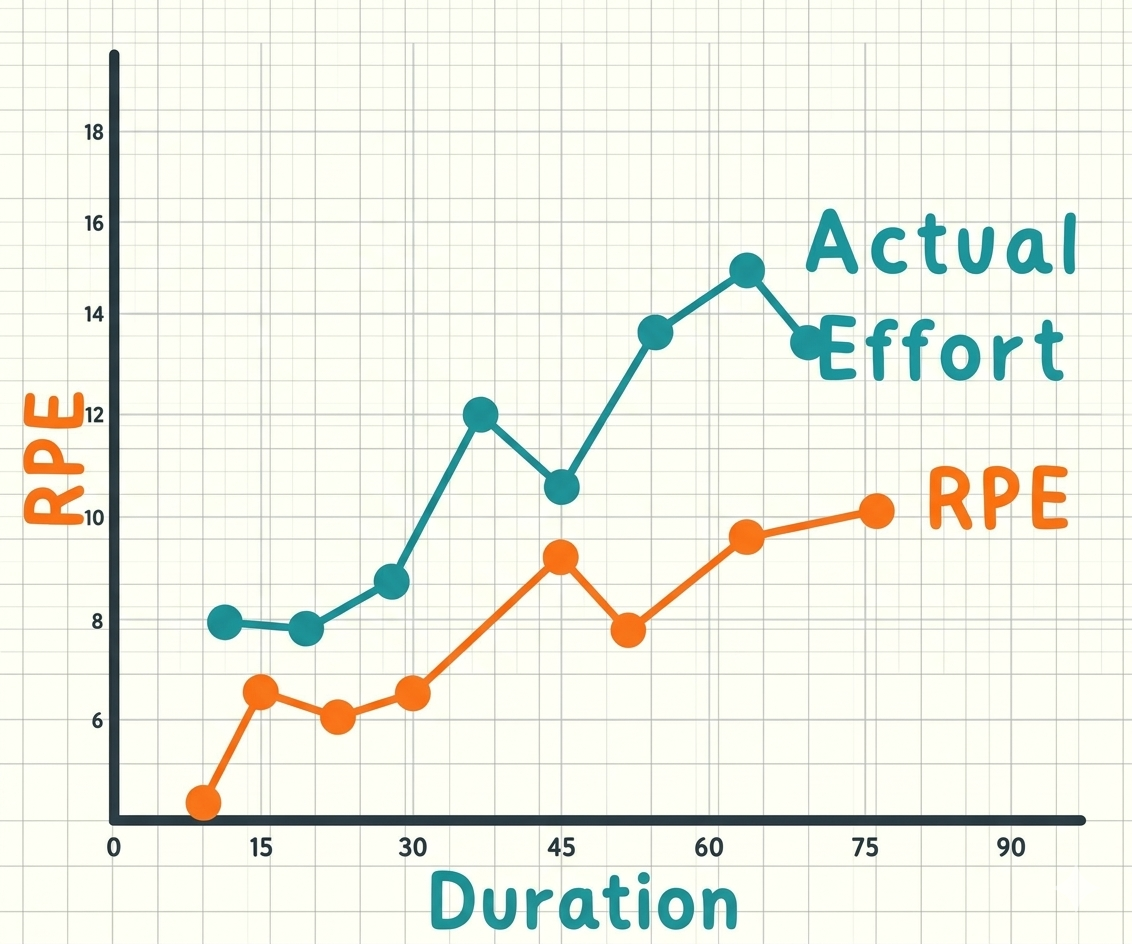
Outside, your brain gets noisy:
Fresh air
Scenery
Adrenaline
Group dynamics
You surge without noticing.
You skip fueling because:
“It doesn’t feel that hard.”
Then suddenly:
👉 mile 40… or mile 8 off the bike… everything falls apart
That’s because:
Actual effort ≠ perceived effort
And outdoors, the gap gets bigger
What’s Really Happening
Outdoors = variability → variability = higher metabolic cost
Your environment is demanding more from you—not because you're less fit, but because the effort is less controlled.
The Fix: Fueling Must Match the Demand
Fuel by time, not feel.
Match carbohydrate intake to intensity.
Make fuel easily accessible.
Adjust hydration based on conditions.
Outdoor riding requires a more proactive fueling strategy.
The Bottom Line
That first outdoor ride feels hard because:
You’re no longer in control of the effort
Your power is more variable
Your fueling is behind the demand
And your brain is giving you bad feedback
Your fitness didn’t disappear.
Your environment changed.
Once your fueling and execution match the demands of outdoor riding, performance follows.
If you have any questions regarding better execution and fueling as you move outside, feel free to reach out to me at CoachTed@catalystendurance.com or click the link below to set up a time to chat with a coach.